A gaze toward the mountain
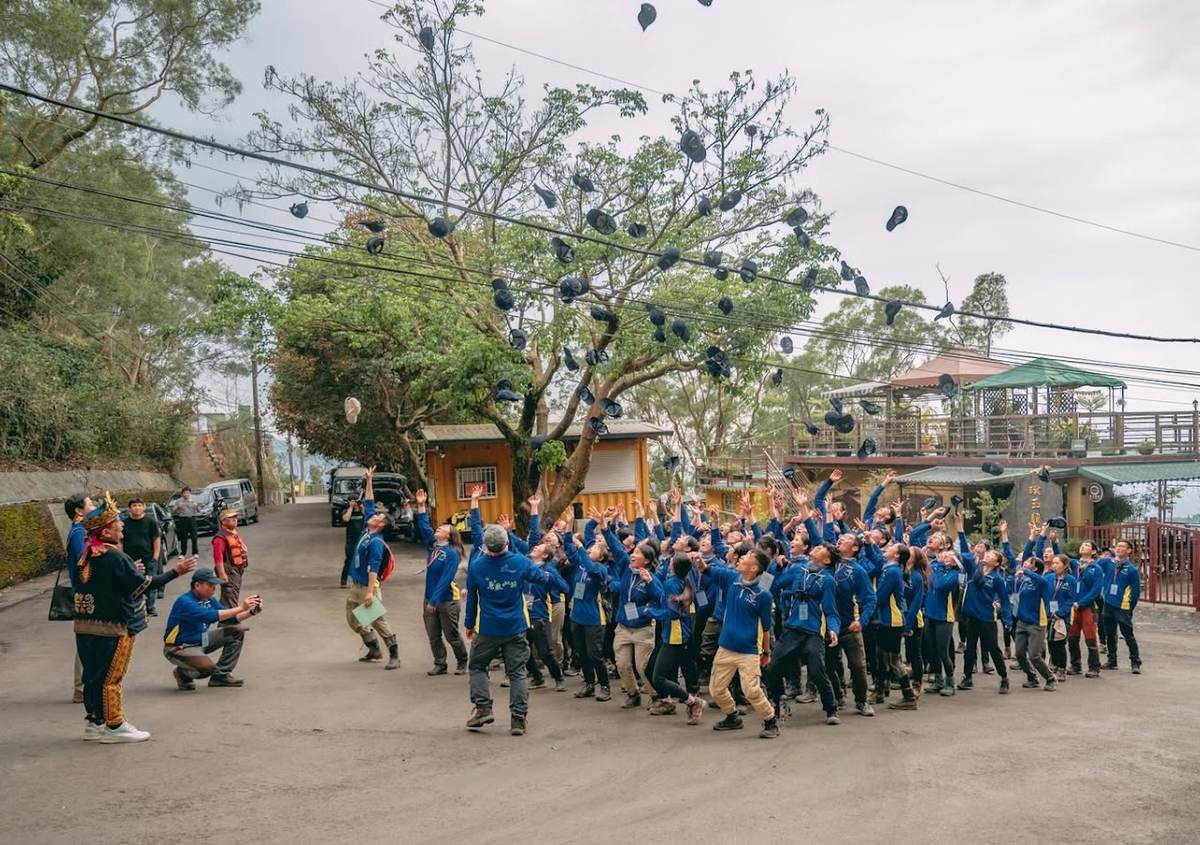
Teachers and students of a local agricultural school in Neipu face Mt. Dawu to pay their respects, leaving a historic moment that links people and forest, education and land.

A rite of passage that begins with the land and is completed on foot.
This is not a mountaineering camp, and it is not about reaching the summit.
It is a youth rite of passage that has been walked for thirty years.
Walk this land, feel its pulse for yourself,
and learn through action to take responsibility for your own life.
At eighteen, the law names us adults almost overnight. Yet when do we truly begin to carry our own lives? In an age of instant feedback, filled with screens and noise, growing up is rarely a clear moment; too often it is a string of silent compromises and anxieties. The North Mountain DAWU Rite of Passage, born in Pingtung in southern Taiwan, offers another way: from preparation and training to the ascent itself, participants walk alongside a team, guided by respect for the land, teamwork, reflection, and responsibility.
Adulthood is not a qualification handed to you, but a journey you complete for yourself.
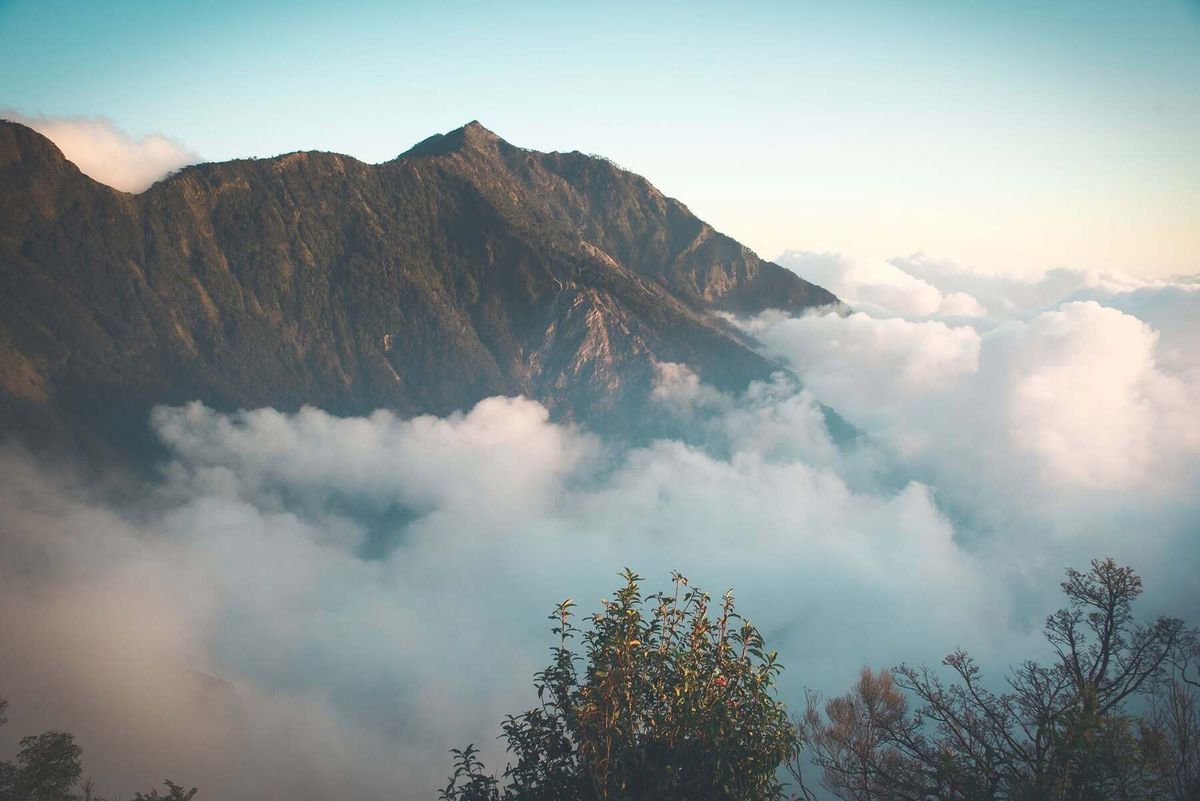
In early 1998, a photograph taken in 1939 became the starting point of the DAWU Rite of Passage. It showed teachers and students of a local agricultural school in Neipu paying their respects to Mt. Dawu, the highest peak in Pingtung, after the morning flag-raising. Kept by a local elder and later brought to light, the image raised a simple but lasting question: what is the relationship between Mt. Dawu and Pingtung?
In the spring of 1998, a group of people who had long gazed at Mt. Dawu began to wonder: when adulthood in modern society has shrunk to a change of age on an ID card, how can young people truly confirm that they have grown up?
Perhaps the answer lies in the ridgeline visible from home. Let young people walk into southern Taiwan's mother mountain themselves, and through sweat, fatigue, and breakthrough in the embrace of the land, put down new roots for their lives.
Teachers and students of a local agricultural school in Neipu face Mt. Dawu to pay their respects, leaving a historic moment that links people and forest, education and land.
The old photograph returns to view and prompts a question: what is the relationship between Mt. Dawu and Pingtung? A group who care about ecology, local history, and youth education begin to gather.
Local pioneers set out to build a rite of passage free of empty formality, one that young people walk with their own bodies and feet. With the support of the Pingtung County Government, it becomes the most important youth life-education programme on this land.
Those who walked the mountain turn around and become its guardians. Past participants return to the team and take on staff responsibilities, passing the care and conviction they once received on to the young people who follow.
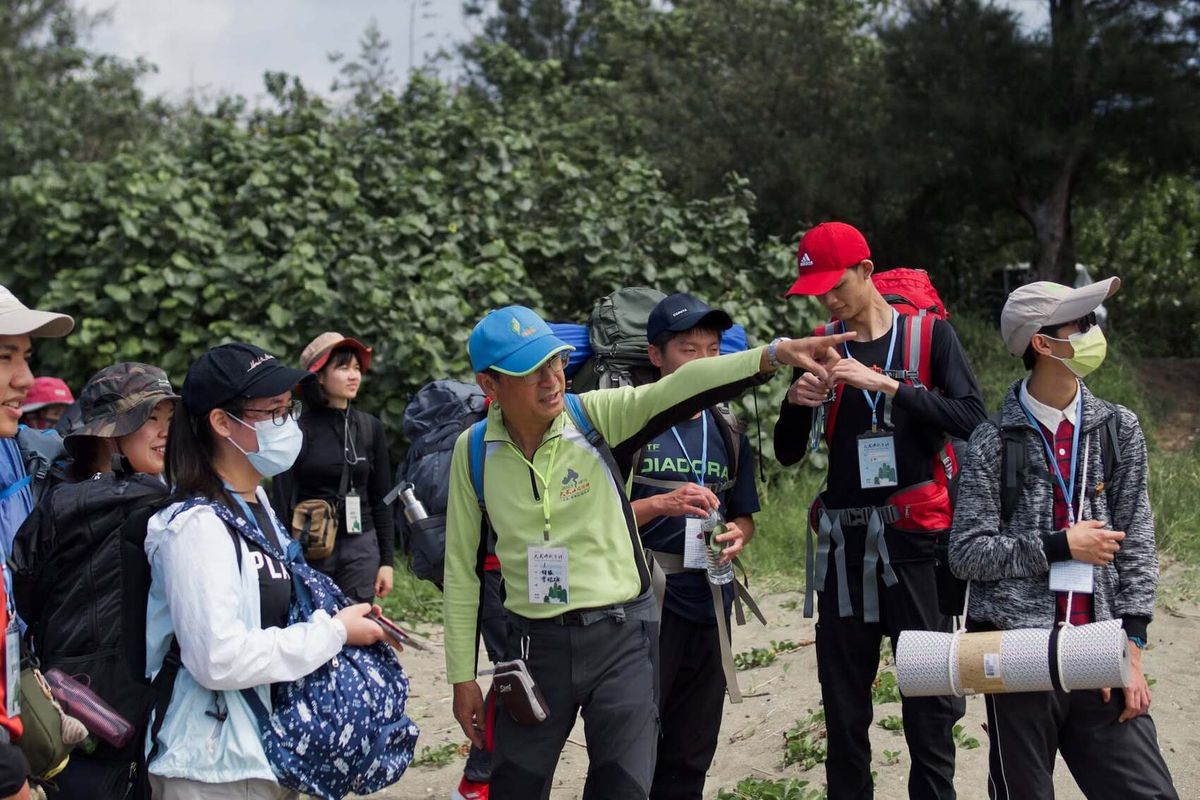
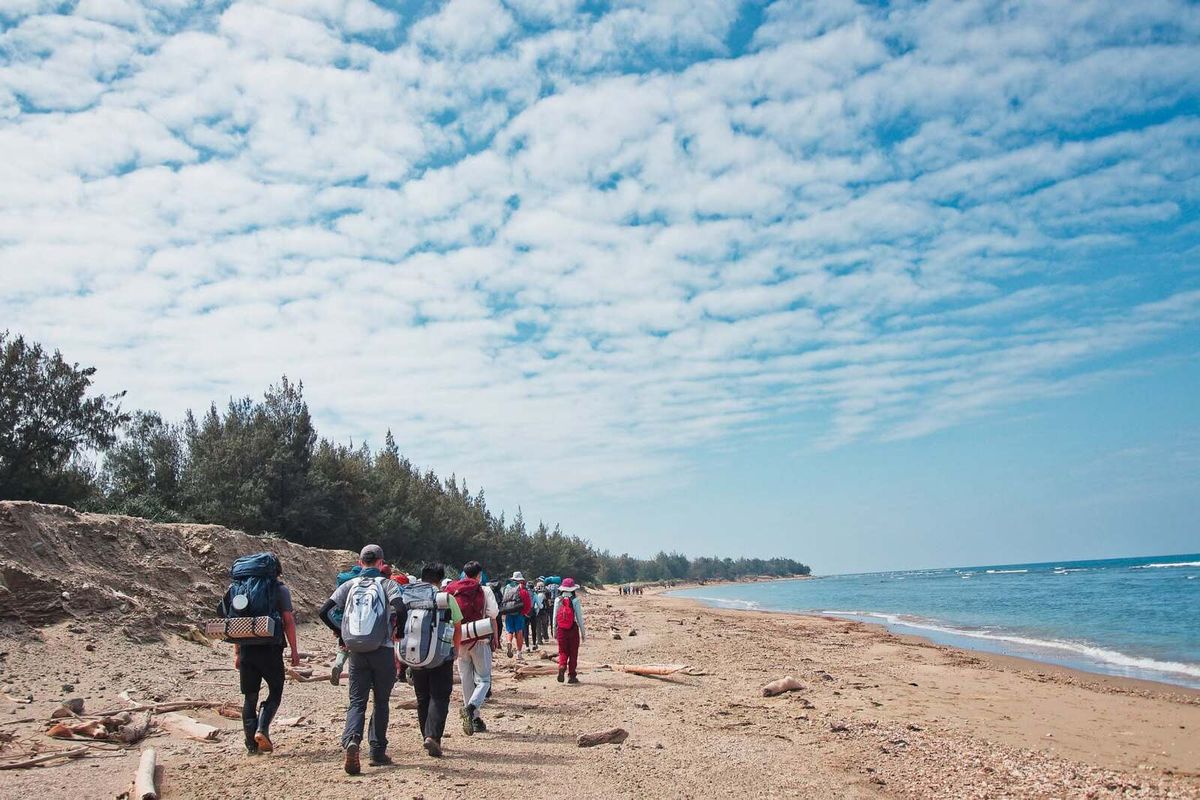
From the very beginning, the rite of passage has been fundamentally different from an ordinary mountaineering camp. There is no race to the summit and no trophy. The mountain is a clear mirror that shows a person's weakness and resolve; through the discipline of living together, rituals of respect for the mountain, and an ethic of ecology, young people learn humility before nature and trust toward their companions.
Adulthood slowly grows and transforms through one action, one choice, one responsibility after another.
From tentative first steps to thirty years of accumulated experience: children who once walked this road now bring the next generation to look up at the mountain from its foot, and many return year after year as quiet staff and companions on the trail. This is no longer just a local activity, but a coming-of-age memory carved into the hearts of generation after generation of young people.
Mt. Dawu rises in the southern Central Range, nurturing water and life for the people below. For the Paiwan and Rukai peoples it holds deep cultural meaning as a place of ancestral spirits, and from the plain it is a landmark shared across generations.
Over the years the programme has kept evolving: early experience of the mountain, ritual, and collective witness has gradually merged with fuller training, safety preparation, and team companionship, forming today's three-stage journey. How it looks keeps changing; the intent to accompany young people has not.
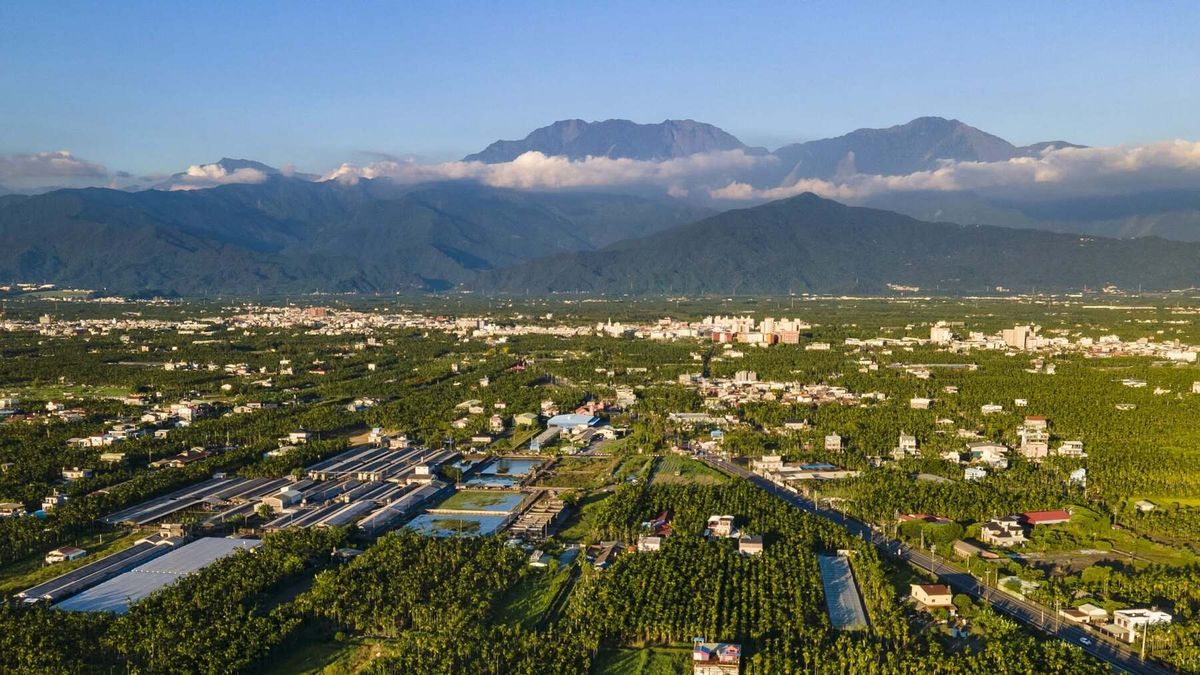
From a faded old photograph, the rite of passage has become a ritual rooted in the land. The mountain has always been there, waiting for young people willing to answer for themselves.
Answer the mountain's call with solid preparation: two training sessions and a conversation with yourself before the three-day, two-night ascent of North Mt. Dawu. The weight in the pack is a first commitment to your own safety and to sharing the team's load; every drop of sweat builds the foundation for the climb.
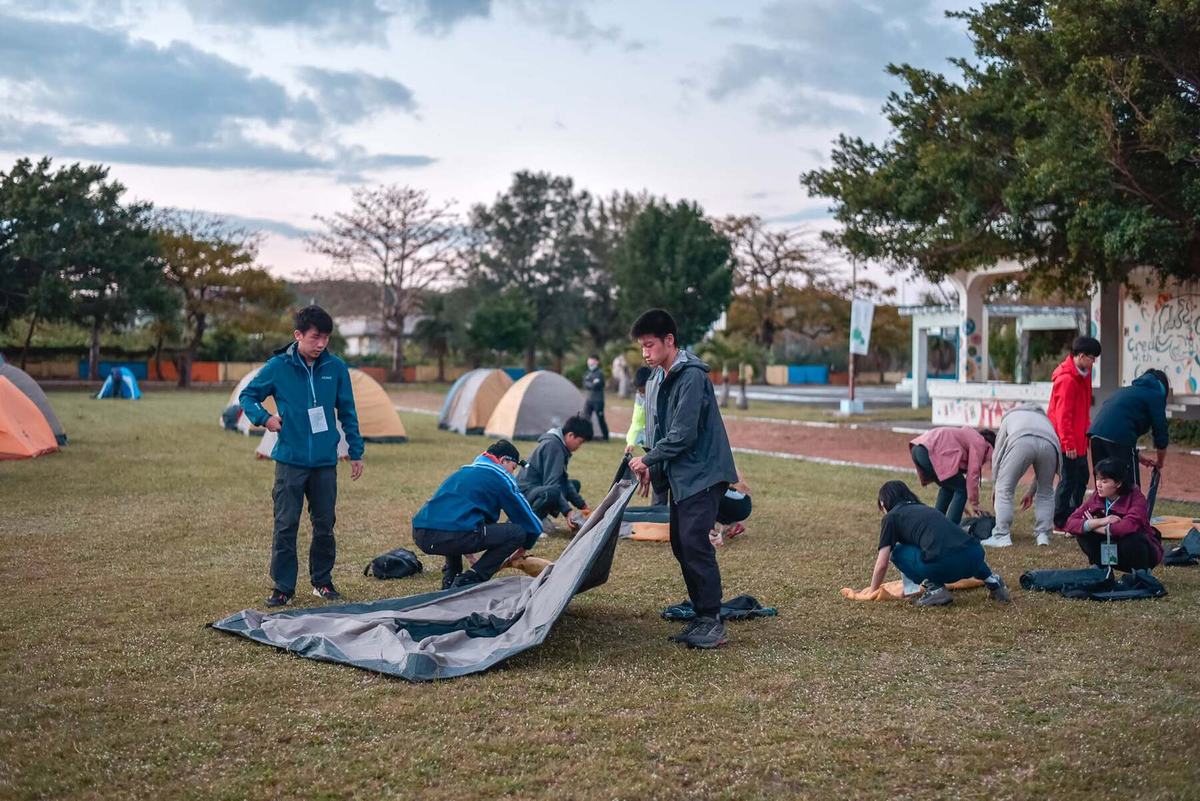
We do not rush to climb. First we walk the plains and communities that nourish the mountain, learning its culture, ecology, and history, while building basic fitness, safety awareness, and a first rhythm of teamwork by pitching tents and cooking together.
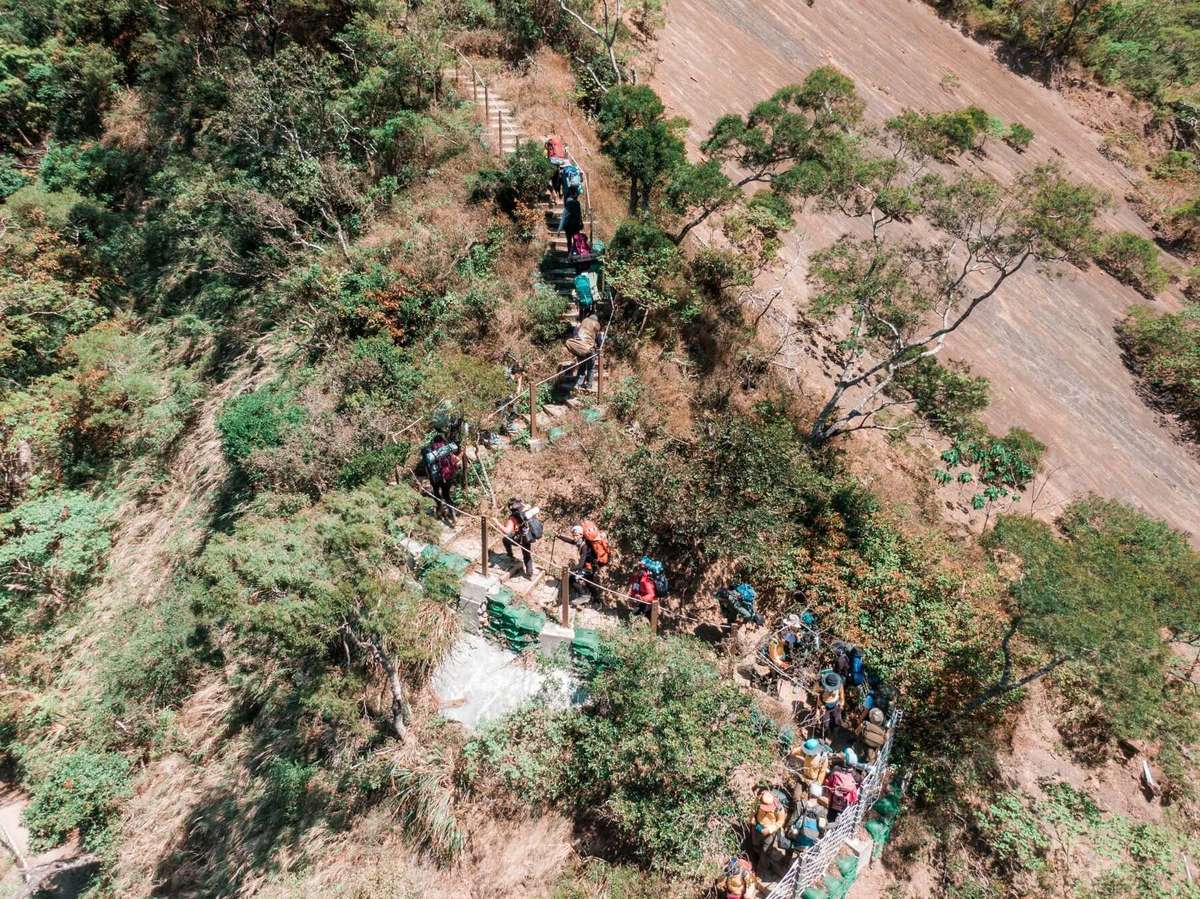
Participants shoulder full personal gear on real mountain trails and feel weight, weather, terrain, and the ups and downs of their own bodies. It is not a fitness contest but an honest look at yourself: listen to your body, adjust breath and pace, report honestly when tired, and wait for the teammate beside you.
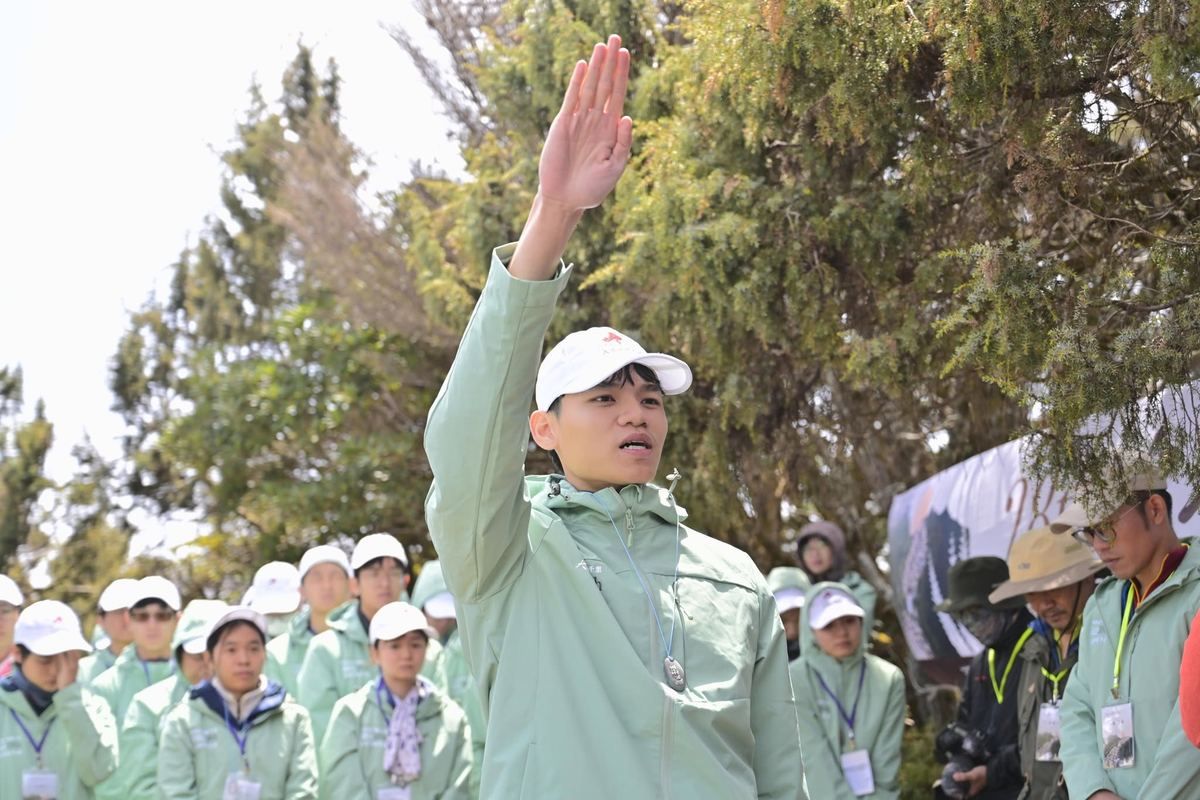
Only after the first two stages do participants set out on the three-day, two-night road to adulthood on North Mt. Dawu: reverence at the start, mutual support in wind and rain, a mountain name received before the Dawu shrine, an oath and a sealed time capsule, and finally mountain clean-up and thanks to the land.
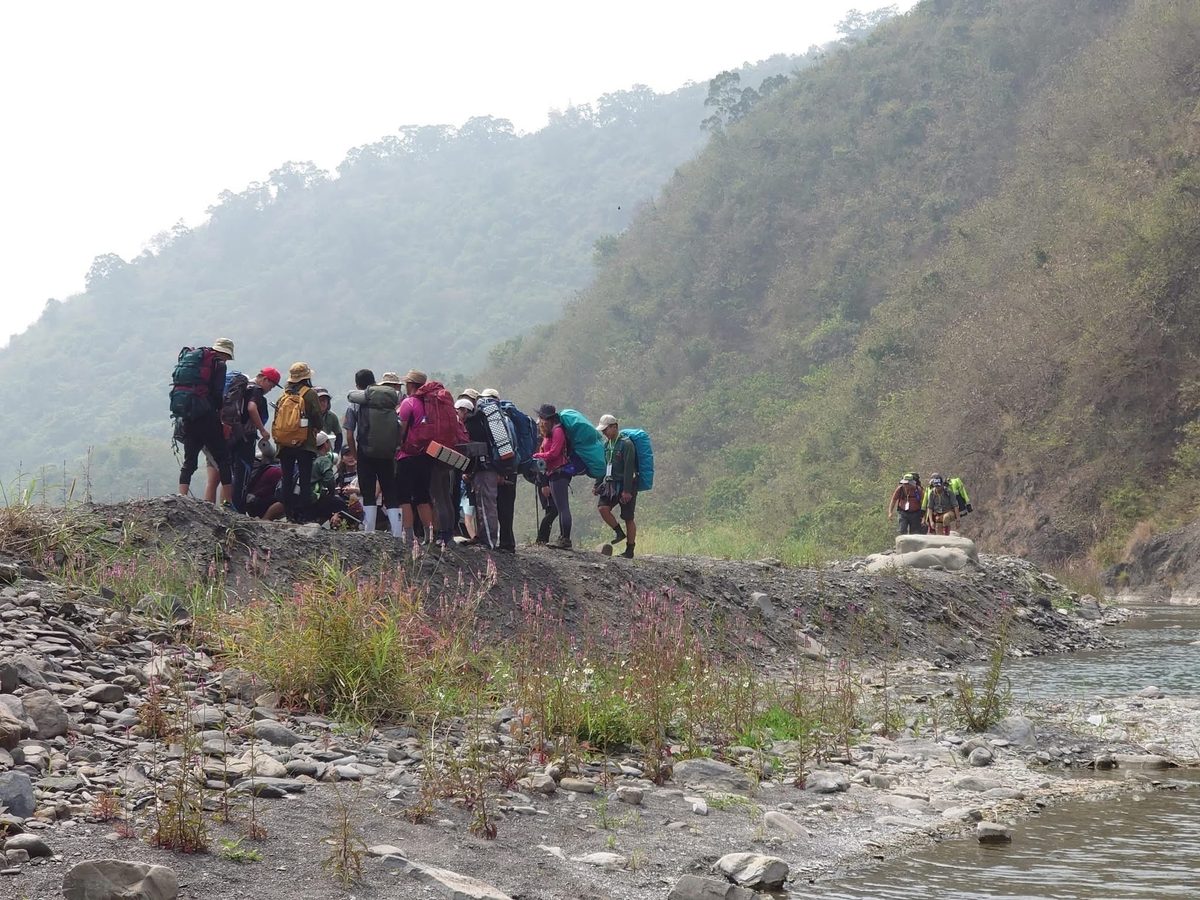
The mountain's tests are never only about the endurance of your legs, but about how you judge the unknown, how you communicate honestly under fatigue and pressure, and how you truly take responsibility for the person beside you.
Even if the wind and sea of clouds at the summit fade with time, the resilience gathered along the way and the warmth of hands held out to one another will become the most solid footing for facing real life.
What matters most is a group of people willing to commit for the long term, bear the risks, and accompany young people through a life milestone. The people who go up the mountain with you once walked this road as participants themselves. During the event the team works as two systems, Camp Headquarters and Squads, which stay in constant contact so that any situation is reported at once and judged together.
The operational hub of the event, in charge of resources, risk monitoring, logistics, records, and medical and safety response.
Led by a squad leader, a deputy leader, and counsellors, the squads stay closest to participants, guiding pace, wellbeing, and communication.
Staff differ in seniority, experience, and role, yet day-to-day work relies on a clear division of labour at every stage. Everyone knows who they answer to, and who to turn to when problems arise.
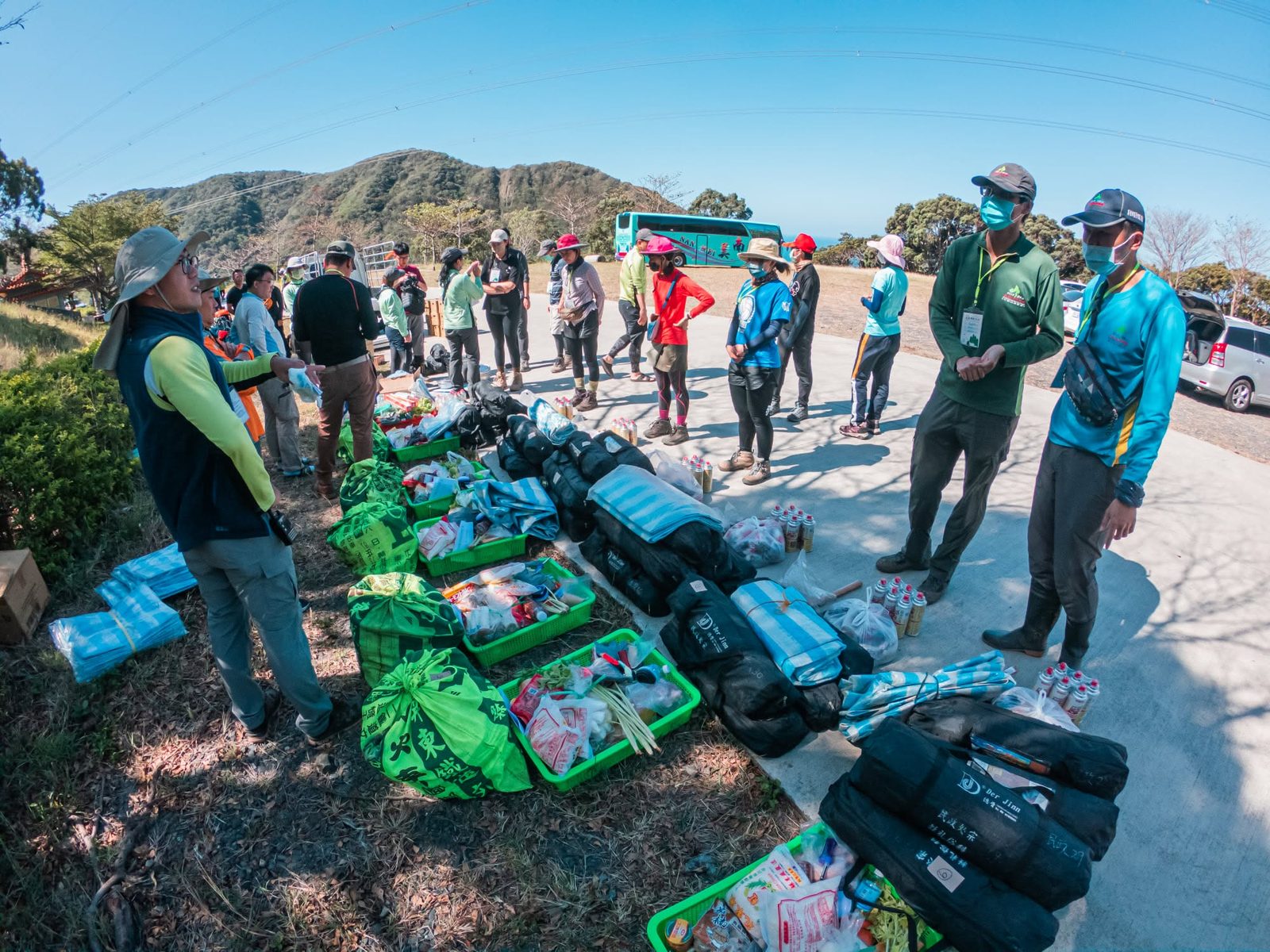
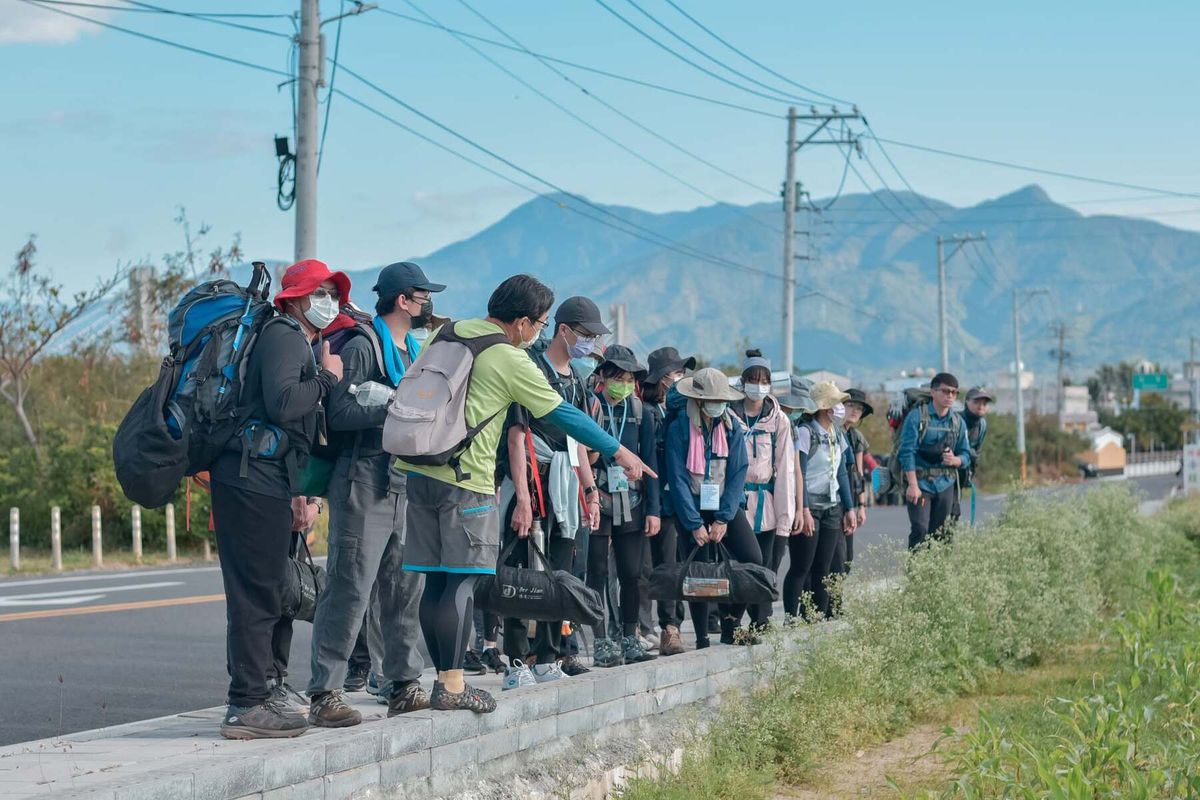
Behind every step a participant takes, different roles are quietly keeping watch. The team stays steady because each role holds its own position and backs up the others.
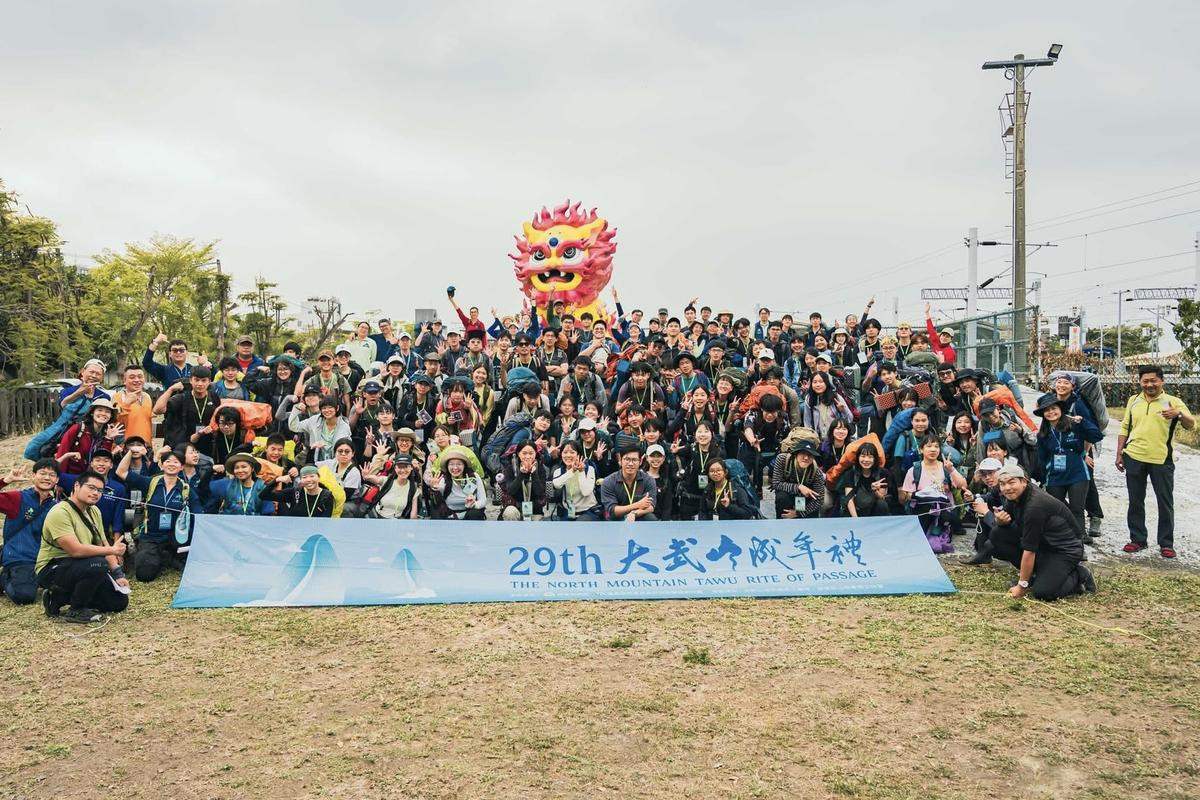
Mountains, funding, and systems are not enough for the rite to exist. It takes people willing to commit for the long term, bear risk, and accompany young people through a life passage even without pay; administrators who understand and support this quiet kind of education; and a mountain that carries local culture, shared feeling, and historical memory.
It exists not only because it can be done, but because people are willing.
One person walking becomes their own experience; only when a group is willing to come back does it become a legacy that can continue. On this team, everyone has something to carry and everyone is someone others can lean on. That is how this road passes from one generation to the next.
This spirit is passed on by generations who walked before; back in daily life, growing up continues.
Lower yourself to enter the forest and understand that heaven and earth were never made for people. Replace conquest with humility, and in reverence see your own smallness and limits.
Between the weight of the pack and the long slopes, slow down and wait for teammates; look after your own steps and become a support for those beside you.
In the quiet and the tiredness of the body, face your own thoughts and choices honestly; in the earth where sweat falls, hear the voice within.
Share firewood, cooking, and the weather; there are no bystanders on the team. Every task taken on is a promise to each other's safety.
Leave no trace with your hands and carry gratitude in your heart; take what you saw and settled in the mountains back to live steadily on the plains of daily life.
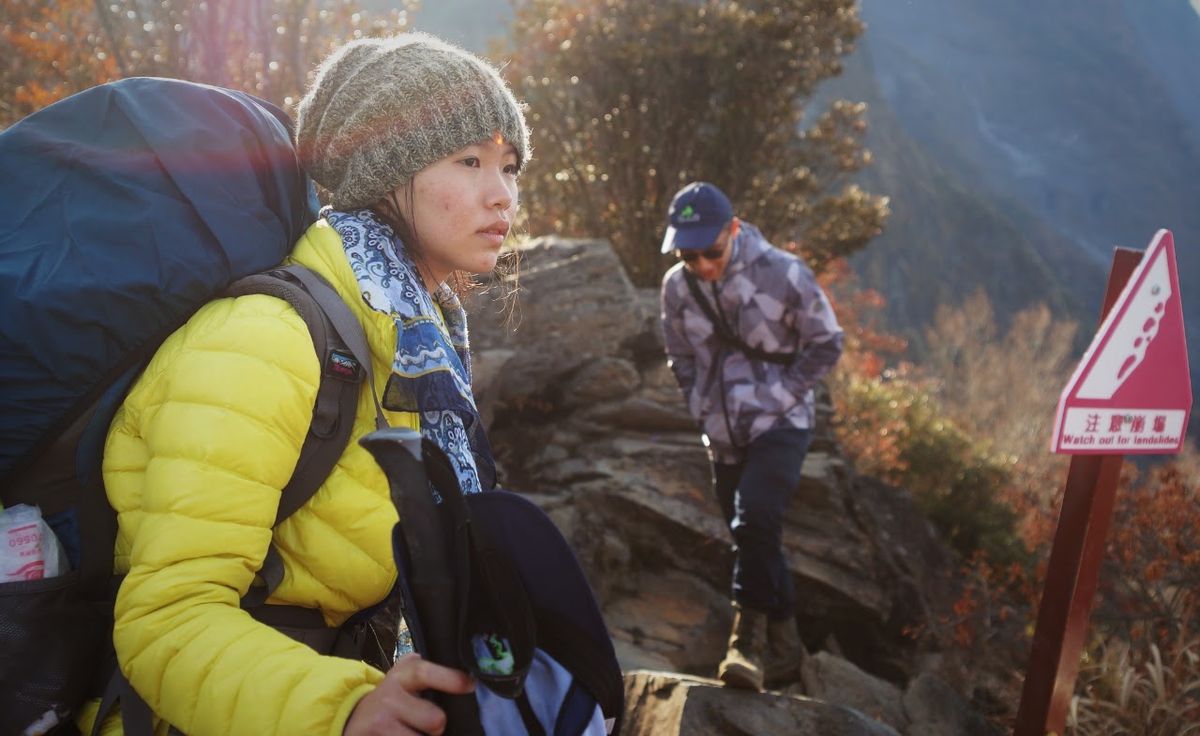
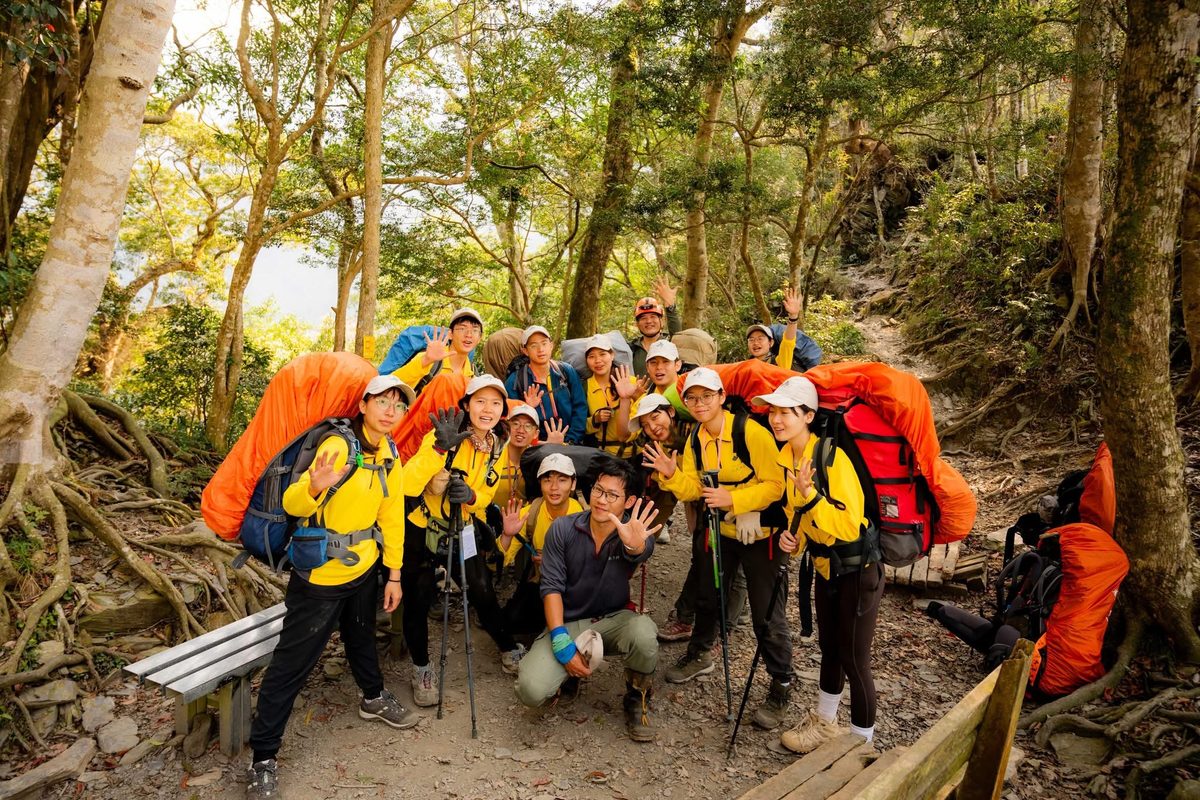
Every departure needs careful preparation, someone to accompany you, and a participant willing to take on responsibility. On every stretch of the road to adulthood, someone walks beside you.